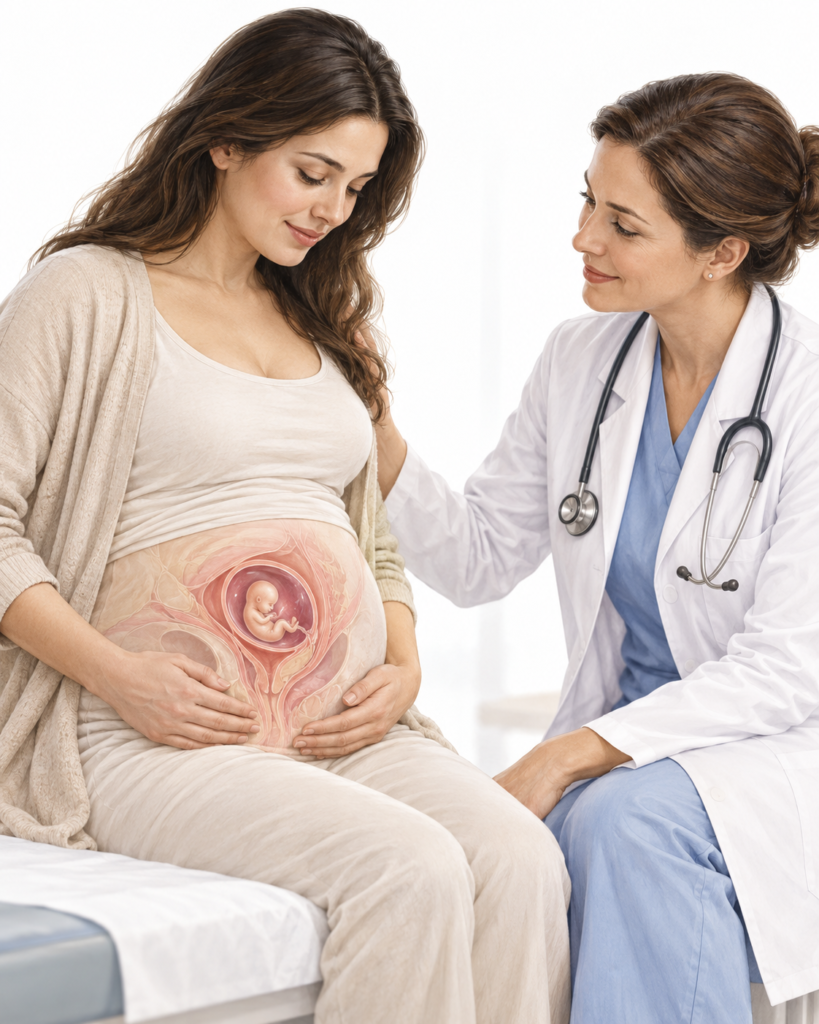
Pregnancy is an exciting journey filled with new experiences, emotions, and physical changes. The 1st Trimester of Pregnancy is particularly important because it marks the beginning of your baby’s development and prepares your body for the months ahead.
From morning sickness and fatigue to your first ultrasound, understanding these early changes can help you feel more confident. Whether you’re expecting your first baby or have experienced pregnancy before, knowing what to expect during the first three months makes a meaningful difference.
What Is the 1st Trimester of Pregnancy?
The 1st Trimester of Pregnancy covers approximately weeks 1 to 12, calculated from the first day of your last menstrual period.
During this period, your body undergoes significant hormonal changes while your baby’s major organs and body structures begin developing.
Although every pregnancy is different, regular prenatal care, balanced nutrition, and healthy lifestyle choices help support maternal health and fetal development.
Common Symptoms During the First Trimester
Hormonal changes can cause several noticeable symptoms during early pregnancy. Some women experience multiple symptoms, while others experience very few.
1. Morning Sickness and Nausea
Nausea and vomiting are common during early pregnancy and may occur at any time of day. Eating smaller, frequent meals and avoiding triggering smells may help.
2. Fatigue and Tiredness
Increasing progesterone levels can make you feel unusually tired. Getting adequate sleep and taking regular breaks can help manage fatigue.
3. Breast Tenderness
Your breasts may become swollen, sensitive, or uncomfortable as your body prepares for breastfeeding.
4. Frequent Urination
Hormonal changes and increased blood flow to the kidneys may cause more frequent bathroom visits.
5. Mood Swings and Food Cravings
Changing hormone levels may influence your emotions, appetite, and sensitivity to certain foods or smells.
Baby Development During the 1st Trimester of Pregnancy
Your baby undergoes remarkable development during these first weeks.
- Weeks 1–4: Fertilisation and implantation occur, and the foundations of the placenta begin forming.
- Weeks 5–8: The developing heart, brain, spinal cord, and early limb structures take shape.
- Weeks 9–12: Fingers, toes, facial features, and major organs continue developing as the fetus grows.
By the end of the first trimester, your baby has developed many essential body structures, although substantial growth and maturation are still ahead.
Essential Pregnancy Tests and Checkups
Early antenatal care helps your obstetrician monitor your health, assess pregnancy development, and identify potential concerns.
Your doctor may recommend:
- Blood tests: To assess haemoglobin, blood group, Rh factor, and certain infections.
- Urine tests: To check for infections and other health indicators.
- Ultrasound scan: To confirm pregnancy location, assess development, and estimate gestational age.
- Thyroid and blood sugar tests: When clinically indicated.
- First-trimester screening: Nuchal translucency ultrasound and appropriate genetic screening options, generally discussed around 11–14 weeks.
Your obstetrician will recommend tests according to your medical history and individual pregnancy needs.
Healthy Pregnancy Tips for the First Three Months
Following healthy habits during the 1st Trimester of Pregnancy can support your well-being and your baby’s development.
Maintain a Nutritious Diet
Include fresh fruits, vegetables, whole grains, protein-rich foods, and calcium sources. Take prenatal supplements, including folic acid, as recommended by your doctor.
Stay Hydrated and Physically Active
Drink sufficient water and consider gentle activities such as walking, provided your healthcare professional has not advised restrictions.
Avoid Harmful Substances
Avoid alcohol, smoking, and recreational drugs. Limit caffeine and consult your doctor before taking medicines or herbal supplements.
Prioritise Prenatal Appointments
Regular pregnancy checkups help identify concerns early and provide opportunities to discuss symptoms, nutrition, and emotional well-being.
When Should You Contact Your Doctor?
Although mild discomfort can be common, certain symptoms require prompt medical attention.
Seek urgent medical assessment if you experience:
- Heavy vaginal bleeding or severe abdominal pain.
- Severe one-sided pelvic pain, fainting, or shoulder-tip pain.
- Persistent vomiting that prevents fluid intake.
- Fever or significant pain during urination.
Never ignore unusual symptoms or assume they are normal pregnancy changes.
Frequently Asked Questions (FAQs)
1. What are the earliest signs of pregnancy?
A missed period, nausea, breast tenderness, fatigue, and frequent urination are common early signs. A pregnancy test can help confirm pregnancy.
2. Is morning sickness normal during the first trimester?
Yes. Mild nausea is common, but severe or persistent vomiting requires medical evaluation.
3. What foods should I avoid during early pregnancy?
Avoid unpasteurised dairy products, raw or undercooked meat, and high-mercury fish. Follow appropriate food hygiene practices.
4. When should I schedule my first pregnancy checkup?
Arrange your first antenatal appointment as soon as pregnancy is confirmed, ideally within the first 10 weeks.
5. Can I exercise during the first trimester?
Most women with uncomplicated pregnancies can continue moderate physical activity. Consult your obstetrician about suitable exercises.
Conclusion: Begin Your Pregnancy Journey with Confidence
The 1st Trimester of Pregnancy is a crucial period of growth, adjustment, and preparation. Understanding early pregnancy symptoms, attending recommended checkups, and maintaining healthy habits can help you navigate this stage confidently.
Looking for expert guidance during your pregnancy?
At CLIO Mother and Child Institute Hospital, we understand that every pregnancy journey is unique. Schedule your prenatal consultation to receive personalised guidance, appropriate pregnancy monitoring, and professional support throughout your motherhood journey.
Book your appointment with CLIO Mother and Child Institute Hospital and take the first step towards a healthy, well-supported pregnancy.


Proudly powered by CLIO Mother and Child Institute