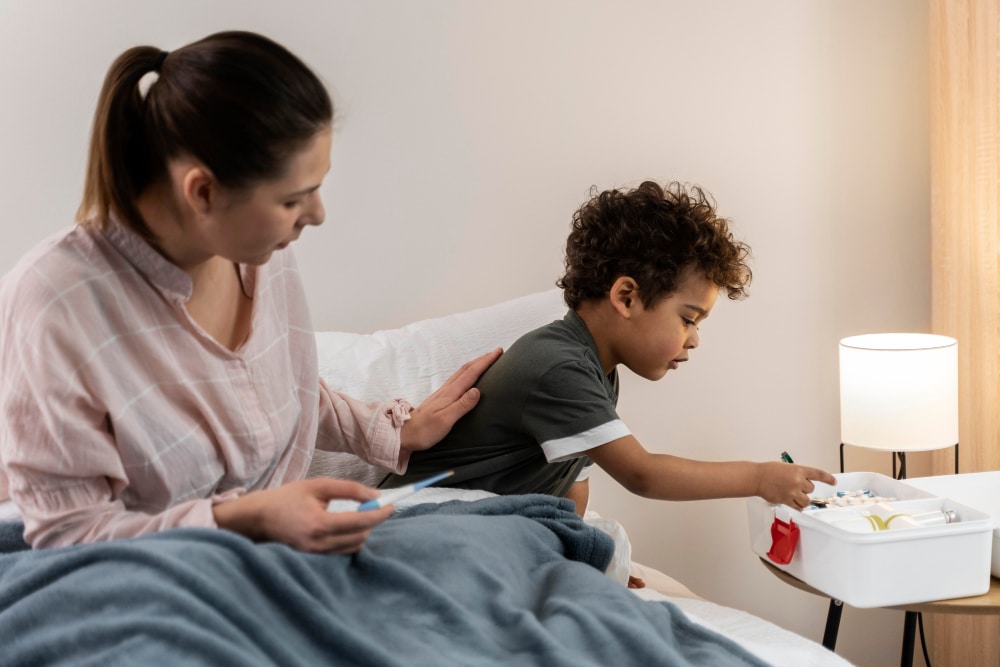
Being a parent in India comes with unique health challenges. Our tropical climate, seasonal monsoons, and how our children play create distinct health concerns. At CLIO Mother and Child Institute, we understand Indian families and offer practical, culturally relevant advice to protect your little ones.
1. Diarrheal Diseases
Diarrheal illnesses are leading health concerns for Indian children, especially during monsoons. They cause dehydration and abdominal cramping.
Prevention: Boil drinking water at home and teach children never to drink from public fountains. Avoid street food and keep home-cooked meals freshly prepared and covered. Encourage handwashing with soap after using the toilet and before eating. The rotavirus vaccine is highly protective and part of routine immunizations.
2. Typhoid and Hepatitis A
These waterborne diseases spike during monsoons, causing prolonged fever and liver damage respectively.
Prevention: Never compromise on water safety—boiling or using a reliable purifier is essential. Avoid raw or undercooked food, especially seafood during monsoons. Get vaccinations against both diseases and ensure proper sanitation habits.
3. Respiratory Tract Infections and Pneumonia
Coughs and colds are virtually inevitable, but some progress to pneumonia. RTIs are the leading cause of childhood illness in India, particularly during winter and monsoon transitions.
Prevention: Maintain good home air quality and avoid cooking smoke exposure. Teach your child to cover their mouth when coughing using their elbow. Ensure vaccinations including pneumococcal vaccine and DPT are current. Consider the influenza vaccine during winter months.
4. Dengue, Malaria, and Chikungunya
Monsoon seasons bring surges in mosquito-borne diseases causing high fever, body pain, and rash.
Prevention: Eliminate stagnant water in coolers, plant pots, and gutters regularly. Install mosquito nets on windows and over beds. Apply mosquito repellent on exposed skin during dawn and dusk. Dress children in long-sleeved clothing during peak mosquito season.
5. Intestinal Worms
Playing barefoot and consuming contaminated food expose Indian children to intestinal worms, causing stomach pain, poor appetite, and anemia.
Prevention: Encourage children to wear slippers outdoors. Wash hands thoroughly after outdoor play and before eating. Keep fingernails trimmed short. Wash fruits and vegetables thoroughly. Your pediatrician typically recommends deworming tablets twice yearly for school-age children.
6. Fungal Infections
India’s hot, humid weather creates ideal conditions for ringworm and prickly heat, causing itchy, scaly patches.
Prevention: Keep skin dry and clean, especially in folds. Change clothes regularly if sweaty. Use clean towels daily and never share them. Avoid walking barefoot in public areas. Use light cotton clothing and ensure proper home ventilation.
7. Strep Throat and Tonsillitis
Bacterial throat infections are common in Indian schools, causing severe throat pain and difficulty swallowing.
Prevention: Teach your child not to share drinking glasses or eating utensils. Avoid close contact with visibly ill children. Maintain good hand hygiene and ensure adequate rest and nutrition. Seek timely medical care if symptoms appear.
8. Chickenpox
This highly contagious infection causes an itchy rash with fluid-filled blisters, spreading through schools and daycare centers.
Prevention: The varicella vaccine is your best protection. The Indian immunization schedule recommends this vaccine. Vaccinated children either avoid the disease or experience much milder symptoms. Consult your pediatrician about this crucial vaccine.
9. Ear Infections
Ear infections often follow colds and are particularly common in young children. Swimming and improper ear cleaning during monsoons increase risk.
Prevention: Keep your child’s ears dry after bathing or swimming. Never insert objects into the ear canal. Use a soft cloth to gently dry external ears only. Avoid secondhand smoke. Ensure all recommended vaccinations are current, including the pneumococcal vaccine.
10. Measles, Mumps, and Rubella
Though vaccine-preventable, these diseases still occur in under-vaccinated communities. Measles causes high fever, cough, and characteristic rash with serious complications possible.
Prevention: The MMR vaccine is essential. Ensure your child receives two doses as per the Indian immunization schedule—the first between 9-12 months and the second between 4-6 years. This protects your child and contributes to community immunity.
Building Strong Immunity
Strengthen your child’s natural immune system through nutrition. Include turmeric, ginger, and honey in their diet—these have proven anti-inflammatory and antibacterial properties trusted in Indian households. Ensure adequate vitamin C intake through citrus fruits, amla, and leafy vegetables. Include calcium-rich dairy products like yogurt and paneer.
Encourage outdoor play for one to two hours daily, avoiding peak sun hours (11 AM to 3 PM) during summer. Ensure 8-10 hours of quality sleep for school-age children, as sleep builds immunity.
Seasonal Vigilance During Monsoon
Take extra precautions during monsoon months. Boil all drinking water, be cautious with food storage, and keep your home dry. Check for stagnant water daily and maintain mosquito nets. Monitor your child for fever, loose stools, or unusual rashes and consult a doctor promptly if symptoms appear.
The Importance of Vaccination
India’s National Immunization Schedule protects children against serious diseases through safe, effective vaccines. Stay updated with your child’s vaccination calendar and don’t miss scheduled doses.
When to Seek Medical Care
If your child develops high fever lasting more than three days, shows difficult breathing, becomes unusually drowsy, develops a rash with fever, or stops drinking water, consult a pediatrician immediately.
At CLIO Mother and Child Institute, our experienced pediatric team understands the unique health landscape Indian families navigate. We provide personalized guidance on immunization, nutrition, and disease prevention. Because healthy children are the foundation of healthy families, and we’re here to support your journey every step of the way.


Proudly powered by CLIO Mother and Child Institute