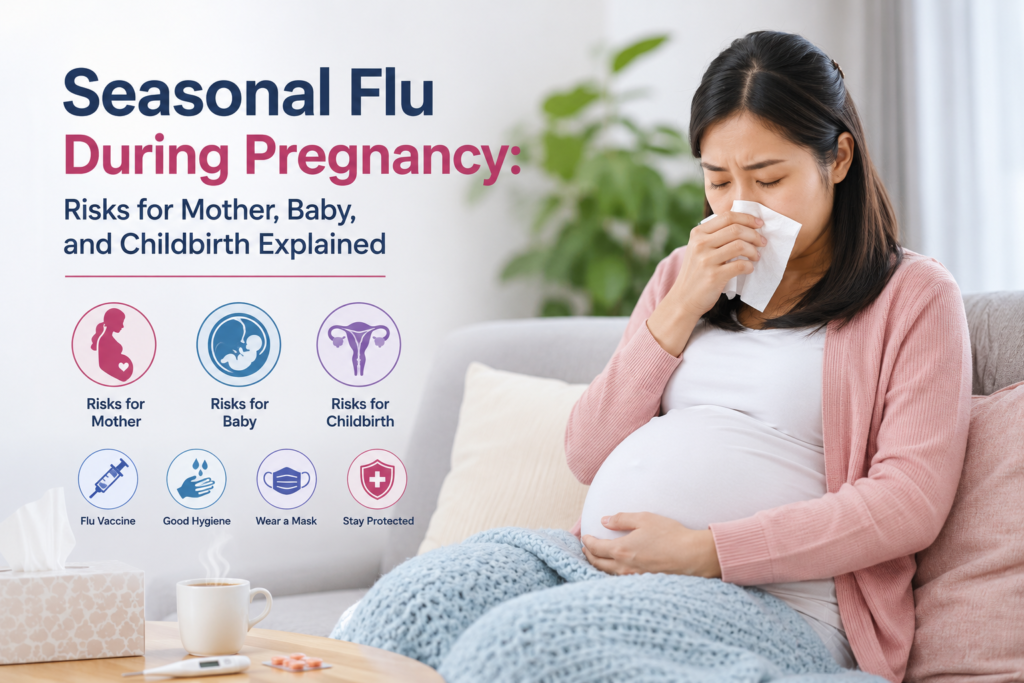
Pregnancy is a time when your body undergoes remarkable changes to support your growing baby. Along with these changes comes a naturally weakened immune response, making expectant mothers more vulnerable to infections like the flu. While many people recover from seasonal influenza without complications, Seasonal Flu During Pregnancy can pose serious health risks for both the mother and the developing baby if left untreated.
The good news is that timely medical care, preventive measures, and proper prenatal support can significantly reduce these risks. Understanding how seasonal flu affects pregnancy can help you take the right steps to protect yourself and your baby.
What Is Seasonal Flu During Pregnancy?
Seasonal Flu During Pregnancy refers to an influenza virus infection that occurs while a woman is pregnant. Influenza is a contagious respiratory illness caused by influenza viruses that circulate mainly during the colder months.
Pregnant women are more likely to experience severe flu symptoms because pregnancy affects the immune system, lungs, and heart, making it harder for the body to fight infections.
Common Symptoms of Seasonal Flu During Pregnancy
Flu symptoms usually appear suddenly and may include:
- High fever
- Chills and body aches
- Persistent cough
- Sore throat
- Runny or blocked nose
- Headache
- Extreme fatigue
- Muscle pain
- Shortness of breath in severe cases
Unlike the common cold, influenza often causes high fever and significant body aches.
Why Is Seasonal Flu More Serious During Pregnancy?
Pregnancy increases the body’s oxygen demand while reducing lung capacity as the baby grows. At the same time, immune system changes make viral infections more difficult to overcome.
As a result, Seasonal Flu During Pregnancy may lead to complications such as:
- Severe dehydration
- Pneumonia
- Breathing difficulties
- Hospitalization
- High fever affecting maternal health
- Increased risk of preterm labor
Prompt medical attention can greatly reduce these risks.
Risks for the Baby
When a mother develops influenza, the baby may also be affected indirectly.
Possible risks include:
- Premature birth
- Low birth weight
- Reduced fetal growth in severe illness
- Increased fetal distress
- Higher chance of neonatal complications if delivery occurs during active infection
Although the flu virus rarely crosses the placenta, maternal illness and high fever can influence pregnancy outcomes.
Can Seasonal Flu Affect Childbirth?
Yes. In severe cases, Seasonal Flu During Pregnancy may increase the likelihood of childbirth complications.
These may include:
- Early labor
- Emergency hospitalization before delivery
- Maternal breathing support if severe pneumonia develops
- Increased monitoring during labor
- Longer recovery after childbirth
Fortunately, most women who receive early treatment recover well and deliver healthy babies.
How Is Seasonal Flu Diagnosed?
Your obstetrician may diagnose influenza based on:
- Your symptoms
- Physical examination
- Medical history
- Rapid influenza testing (when necessary)
Early diagnosis allows antiviral medications to be started promptly if recommended.
Treatment for Seasonal Flu During Pregnancy
Treatment depends on symptom severity and pregnancy stage.
Your doctor may recommend:
- Pregnancy-safe antiviral medication
- Adequate hydration
- Plenty of rest
- Fever control using pregnancy-safe medicines
- Nutrient-rich meals
- Regular fetal monitoring if symptoms become severe
Never take over-the-counter medications without consulting your obstetrician.
How to Prevent Seasonal Flu During Pregnancy
Simple preventive measures can make a significant difference.
Protect Yourself By:
- Getting the seasonal flu vaccine as recommended by your doctor
- Washing hands frequently
- Avoiding close contact with sick individuals
- Wearing a mask in crowded places during flu season
- Eating a balanced, nutritious diet
- Staying hydrated
- Getting enough sleep
- Attending regular prenatal check-ups
Vaccination during pregnancy not only protects the mother but also provides antibodies that help protect the newborn during the first few months of life.
When Should You See a Doctor Immediately?
Seek medical attention without delay if you experience:
- Difficulty breathing
- Persistent high fever
- Chest pain
- Reduced baby movements
- Severe dehydration
- Continuous vomiting
- Confusion or dizziness
- Symptoms that worsen after initial improvement
Early treatment can prevent serious complications for both mother and baby.
Frequently Asked Questions
1. Is seasonal flu dangerous during pregnancy?
Yes. Pregnant women are at a higher risk of severe flu-related complications, making early diagnosis and treatment essential.
2. Can seasonal flu harm my unborn baby?
In severe cases, maternal influenza may increase the risk of preterm birth, low birth weight, and other pregnancy complications.
3. Is the flu vaccine safe during pregnancy?
Yes. The seasonal influenza vaccine is considered safe during pregnancy and is recommended to help protect both mother and baby.
4. Can I take flu medicine while pregnant?
Certain antiviral medications are considered safe during pregnancy, but they should only be taken under medical supervision.
5. How can I reduce my risk of getting the flu during pregnancy?
Vaccination, good hand hygiene, avoiding sick individuals, eating a healthy diet, and attending regular prenatal visits can significantly lower your risk.
Conclusion
Seasonal Flu During Pregnancy should never be ignored. While most women recover completely with proper care, influenza can lead to serious complications if treatment is delayed. Recognizing the symptoms early, following preventive measures, and seeking prompt medical advice are the best ways to protect both mother and baby throughout pregnancy.
With regular prenatal care and timely medical support, you can enjoy a healthier pregnancy and reduce the chances of flu-related complications during childbirth.
Visit CLIO Mother and Child Institute
At CLIO Mother and Child Institute, our experienced obstetricians provide comprehensive pregnancy care, seasonal infection management, fetal monitoring, vaccination guidance, and emergency maternal care to ensure the health and safety of both mother and baby. If you’re experiencing flu symptoms during pregnancy or have concerns about your baby’s well-being, schedule a consultation with our specialists today. Early care leads to healthier pregnancies and safer deliveries.


Proudly powered by CLIO Mother and Child Institute