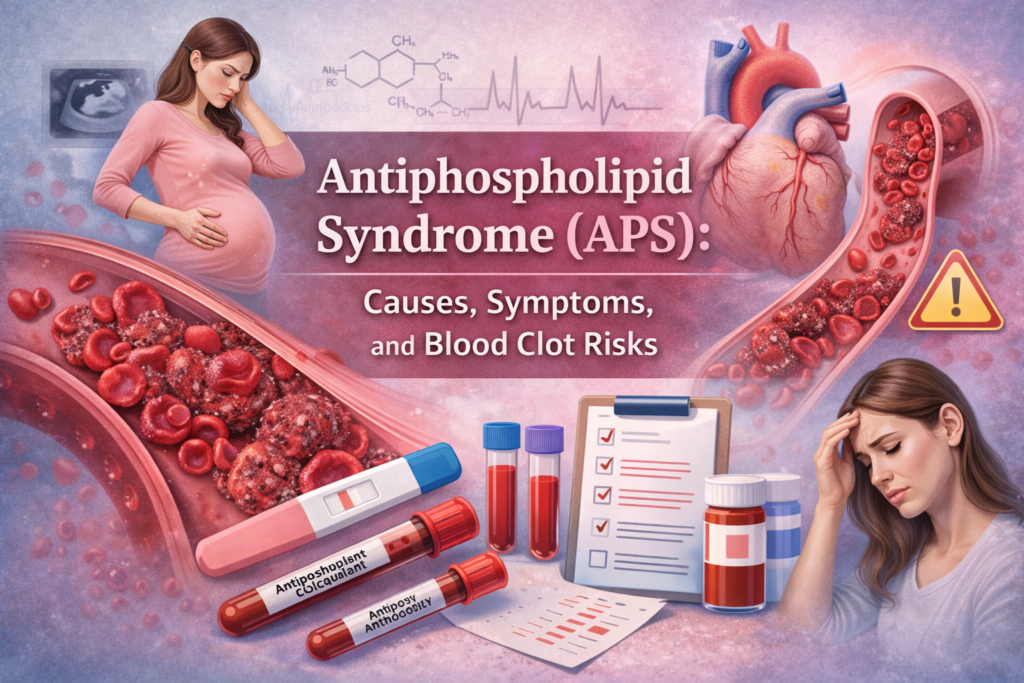
Some health conditions stay hidden for years, quietly affecting the body until a sudden event brings them to light. Antiphospholipid Syndrome (APS) is one such condition. It often goes unnoticed until it causes complications like blood clots or pregnancy-related concerns. Understanding APS early can help prevent serious outcomes and protect long-term health.
What Is Antiphospholipid Syndrome (APS)?
Antiphospholipid Syndrome is an autoimmune disorder in which the body produces antibodies that mistakenly attack normal proteins in the blood. These antibodies increase the tendency of blood to clot more easily than it should.
APS can affect people of all ages, but it is more commonly diagnosed in women, especially during investigations for recurrent miscarriages or unexplained blood clots.
What Causes APS?
The exact cause of APS is not always clear. It occurs when the immune system produces antiphospholipid antibodies, which interfere with the normal clotting process.
Possible contributing factors include:
- Genetic predisposition
- Autoimmune conditions such as lupus
- Certain infections
- Long-term medication use in rare cases
APS may occur on its own (primary APS) or alongside another autoimmune condition (secondary APS).
Common Symptoms of APS
Symptoms of APS vary widely and depend on where blood clots form. Some people remain symptom-free until complications arise.
Symptoms Related to Blood Clots
- Swelling, pain, or redness in the legs
- Sudden shortness of breath
- Chest pain
- Headaches or migraines
- Dizziness or vision changes
Symptoms in Pregnancy
APS is an important cause of pregnancy complications and may lead to:
- Recurrent miscarriages
- Stillbirth
- Preterm delivery
- High blood pressure during pregnancy
- Poor fetal growth
Other Possible Signs
- Easy bruising
- Livedo reticularis (bluish, net-like skin pattern)
- Fatigue
Because symptoms can be subtle or mistaken for other conditions, APS is often diagnosed only after thorough evaluation.
Why Does APS Increase Blood Clot Risk?
In APS, abnormal antibodies disrupt the balance between clot formation and clot prevention. This makes blood more likely to form clots in veins, arteries, or organs, leading to potentially serious complications such as:
- Deep vein thrombosis (DVT)
- Pulmonary embolism
- Stroke
- Heart attack
- Organ damage due to reduced blood flow
In pregnancy, these clots can affect the placenta, reducing oxygen and nutrients to the baby.
How Is APS Diagnosed?
Diagnosis requires a combination of clinical history and blood tests. At CLIO Mother & Child Institute, careful evaluation ensures accurate diagnosis while minimizing anxiety.
Blood Tests Include:
- Anticardiolipin antibodies
- Lupus anticoagulant
- Anti-beta 2 glycoprotein I antibodies
These tests are usually repeated after 12 weeks to confirm persistent antibody presence, which is essential for diagnosis.
Treatment and Management Options
APS cannot be cured, but it can be effectively managed with proper medical care. The goal is to reduce clot risk and ensure safe pregnancies.
1. Blood Thinners
Medications such as anticoagulants are prescribed to prevent clot formation, especially in individuals with a history of thrombosis.
2. Pregnancy Care
Women with APS require specialized antenatal care. Low-dose aspirin and anticoagulant injections may be used to improve pregnancy outcomes under medical supervision.
3. Lifestyle Modifications
Simple changes can make a significant difference:
- Avoid smoking
- Maintain a healthy weight
- Stay physically active
- Manage blood pressure and diabetes
4. Regular Monitoring
Long-term follow-up with healthcare providers ensures treatment effectiveness and early detection of complications.
When Should You Seek Medical Advice?
You should consult a doctor if you have:
- Unexplained blood clots at a young age
- Recurrent pregnancy losses
- Sudden breathing difficulty or leg swelling
- A known autoimmune condition with new symptoms
Early diagnosis can prevent life-threatening complications.
A Reassuring Note from CLIO Mother & Child Institute
At Clio Mother and Child Institute , we believe that awareness is the strongest form of prevention. Our multidisciplinary team of gynecologists, physicians, and specialists work together to provide accurate diagnosis, personalized treatment, and compassionate care for women affected by APS.
With timely intervention and expert guidance, individuals with APS can lead healthy, fulfilling lives and experience safe pregnancies.
If you have concerns about blood clots or pregnancy complications, our team is here to help — every step of the way.


Proudly powered by CLIO Mother and Child Institute