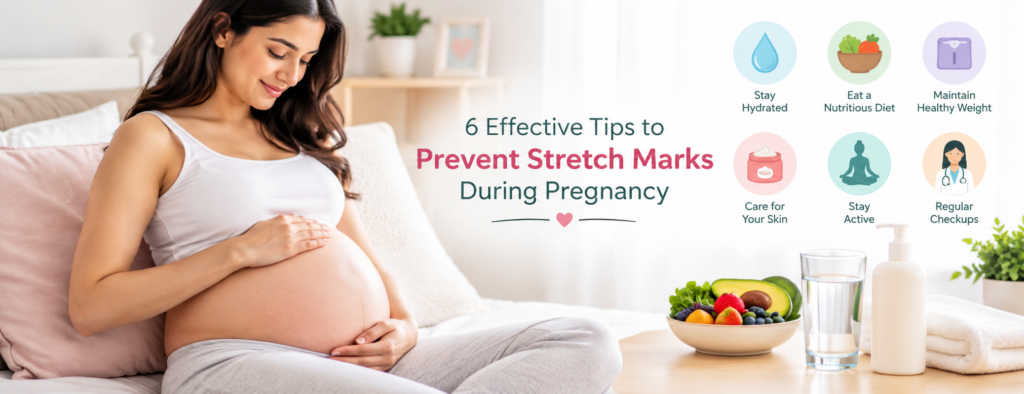
6 Effective Tips to Help Prevent Stretch Marks During Pregnancy
Pregnancy brings many beautiful changes, but some physical changes can be challenging. Stretch marks are one of the most common concerns for expecting mothers. They often appear on the abdomen, breasts, hips, thighs, or buttocks as the skin stretches to accommodate a growing baby.
While stretch marks cannot always be completely prevented, adopting healthy habits may help support skin elasticity and reduce their appearance. If you are wondering how to prevent stretch marks during pregnancy, the following six practical tips can help you care for your skin throughout pregnancy.
What Causes Stretch Marks During Pregnancy?
Stretch marks, medically known as striae gravidarum, develop when the skin stretches rapidly and the deeper layers of the skin undergo changes. Pregnancy-related hormonal changes may also affect the skin’s elasticity.
Several factors can increase the likelihood of developing pregnancy stretch marks, including:
- Rapid changes in body size
- Genetic tendency
- Hormonal changes
- Skin elasticity
- Weight gain during pregnancy
- Growing breasts and abdomen
The good news is that maintaining healthy skin and following appropriate pregnancy care can support your skin during these changes.
6 Tips to Prevent Stretch Marks During Pregnancy
1. Keep Your Skin Well Hydrated
Regular moisturization can help keep the skin soft and comfortable as it stretches. Apply a gentle, pregnancy-friendly moisturizer to areas that commonly develop stretch marks, such as the abdomen, breasts, hips, and thighs.
Look for products containing ingredients such as:
- Hyaluronic acid
- Shea butter
- Cocoa butter
- Vitamin E
Moisturizers may help reduce dryness and itching, although no cream can guarantee complete prevention of stretch marks.
2. Drink Enough Water
Good hydration supports overall health and helps maintain normal skin function. During pregnancy, make water your primary source of hydration and drink regularly throughout the day.
Your exact fluid needs can vary depending on your health, activity level, climate, and pregnancy. Follow your healthcare provider’s advice if you have been given specific fluid recommendations.
3. Eat a Nutrient-Rich Pregnancy Diet
Nutrition plays an important role in maintaining healthy skin. A balanced pregnancy diet provides nutrients that support collagen production, skin health, and overall maternal wellbeing.
Include foods rich in:
- Vitamin C, such as oranges, guava, and bell peppers
- Vitamin E, found in nuts and seeds
- Protein from eggs, dairy, pulses, and lean meats
- Zinc from legumes, seeds, and other nutritious foods
- Healthy fats from nuts, seeds, and avocados
A balanced diet also supports healthy fetal growth and maternal health.
4. Aim for Healthy, Gradual Weight Gain
Rapid weight changes can increase skin stretching. However, pregnancy is not the time to follow a weight-loss diet.
Instead, aim for the pregnancy weight gain recommended by your obstetrician based on your pre-pregnancy weight, health, and individual circumstances. Regular prenatal checkups can help monitor healthy weight gain and your baby’s growth.
5. Stay Physically Active if Your Doctor Allows It
Pregnancy-safe physical activity can support overall health and help you maintain appropriate weight gain. Walking, swimming, prenatal yoga, and other suitable activities may be beneficial for many pregnant women.
Always discuss exercise with your healthcare provider, particularly if you have a high-risk pregnancy or have been advised to limit physical activity.
6. Follow a Consistent Pregnancy Skincare Routine
Consistency matters more than using expensive products. Gently moisturize your skin after bathing, avoid very hot showers that can worsen dryness, and choose mild cleansers.
If you experience significant itching, irritation, a rash, or unusual skin changes, speak with your doctor instead of trying new treatments on your own.
Can Stretch Marks Be Completely Prevented?
No method can guarantee that you will completely avoid stretch marks during pregnancy. Genetics, hormones, skin characteristics, and the degree of skin stretching all play a role.
The goal should be to support healthy skin rather than expect a product or treatment to provide complete protection.
Frequently Asked Questions
1. When should I start preventing stretch marks during pregnancy?
It is reasonable to establish a gentle skincare and healthy lifestyle routine early in pregnancy. Consistency can help keep your skin moisturized and supported as your body changes.
2. Does drinking water prevent pregnancy stretch marks?
Adequate hydration supports normal skin function, but drinking water alone cannot guarantee prevention of stretch marks.
3. Which cream is best for preventing stretch marks during pregnancy?
There is no cream proven to completely prevent stretch marks. A gentle, pregnancy-appropriate moisturizer can help reduce dryness and improve skin comfort.
4. Do stretch marks disappear after pregnancy?
Stretch marks often become lighter and less noticeable over time. However, they may not disappear completely. If they remain a concern after pregnancy, discuss suitable treatment options with a qualified dermatologist.
5. Are stretch marks during pregnancy normal?
Yes. Pregnancy stretch marks are very common and usually harmless. They are a normal response to changes in the skin during pregnancy.
Take Care of Your Skin During Pregnancy
Learning how to prevent stretch marks during pregnancy is ultimately about maintaining healthy habits rather than searching for a guaranteed solution. Stay hydrated, eat a balanced diet, follow healthy pregnancy weight-gain recommendations, moisturize regularly, stay active when appropriate, and attend your scheduled prenatal appointments.
Every pregnancy is different, and some women may develop stretch marks despite taking excellent care of their skin. If you have concerns about skin changes, itching, weight gain, or any other pregnancy-related symptoms, speak with your obstetrician for personalized guidance.
For compassionate pregnancy, maternity, and women’s healthcare support, consult the experienced team at CLIO Mother and Child Institute Hospital.


Proudly powered by CLIO Mother and Child Institute